Achieve High
When Ownership Is Clear, Work Doesn’t Slip
Dylan Carter
The Hidden Cost of Unclear Responsibility
Many tasks fail not because they are complex or poorly planned, but because responsibility is unclear. When ownership is implied rather than explicit, work quietly stalls. Team members assume someone else is handling it, or they wait for confirmation before acting. Over time, these small pauses accumulate, causing deadlines to slip and important details to be overlooked. In growing teams, this issue becomes even more pronounced. As more people get involved, the risk of assumption increases. Without clear ownership, accountability becomes diffused, making it harder to identify where things went wrong or how to fix them.
Why Ambiguity Slows Teams Down
When ownership is vague, teams hesitate. People second-guess whether a task is theirs, worry about duplicating effort, or avoid stepping in to prevent overstepping boundaries. This hesitation leads to unnecessary back-and-forth, repeated clarification, and wasted energy. Ambiguity also creates friction during handoffs. Tasks move between people without a clear transfer of responsibility, increasing the chance that something gets missed. Instead of moving smoothly, work progresses in starts and stops, slowing the entire team.
Ownership as a Productivity Multiplier
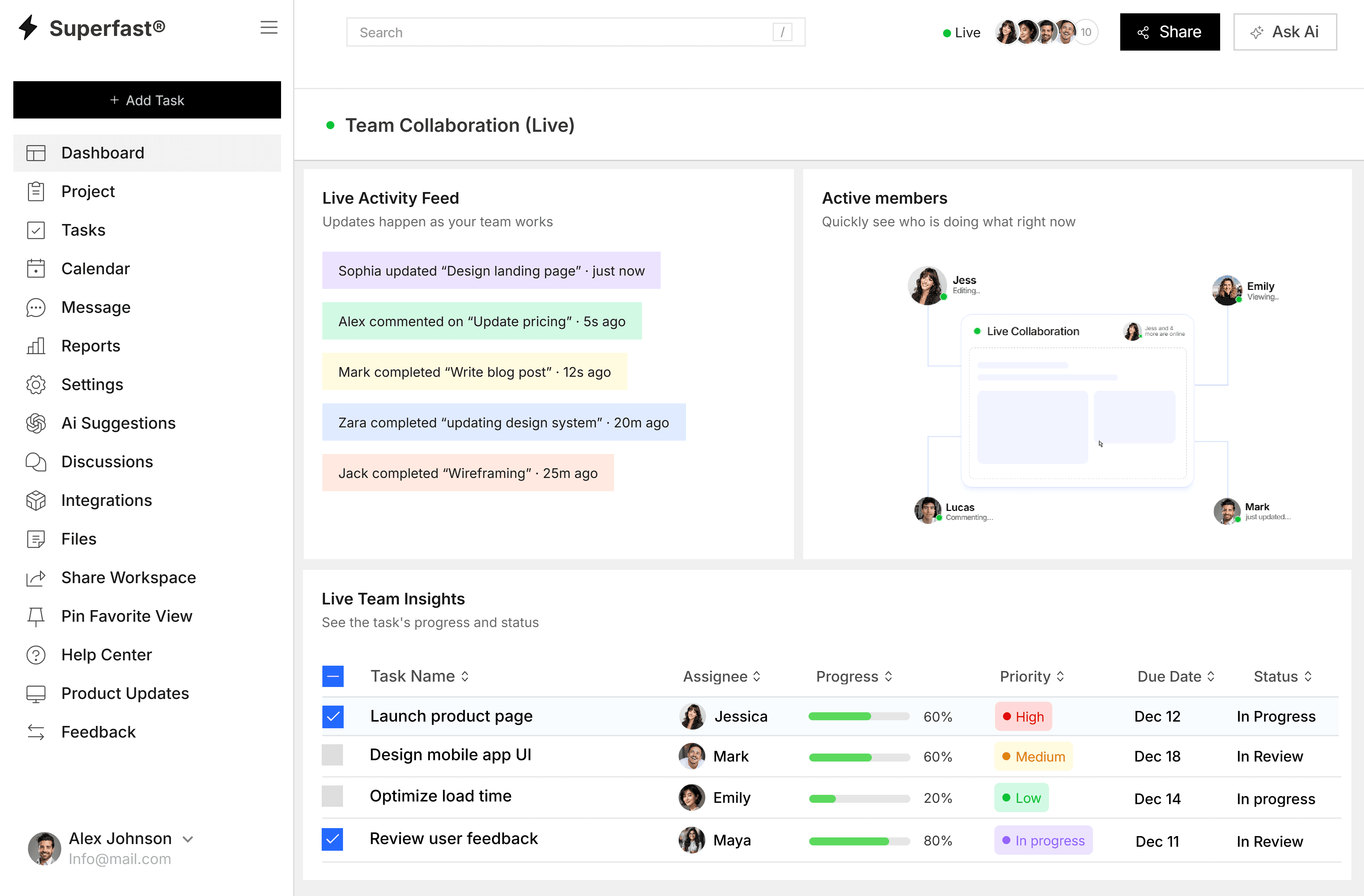
Clear ownership changes how teams operate. When every task has a visible owner, accountability becomes natural rather than enforced. Team members know exactly what they’re responsible for and can act decisively without waiting for approval or clarification. Ownership also empowers individuals. With clear responsibility comes autonomy, allowing people to make decisions and move work forward confidently. This clarity reduces delays, improves follow-through, and creates a stronger sense of accountability
across the team.
How Modern Tools Reinforce Accountability
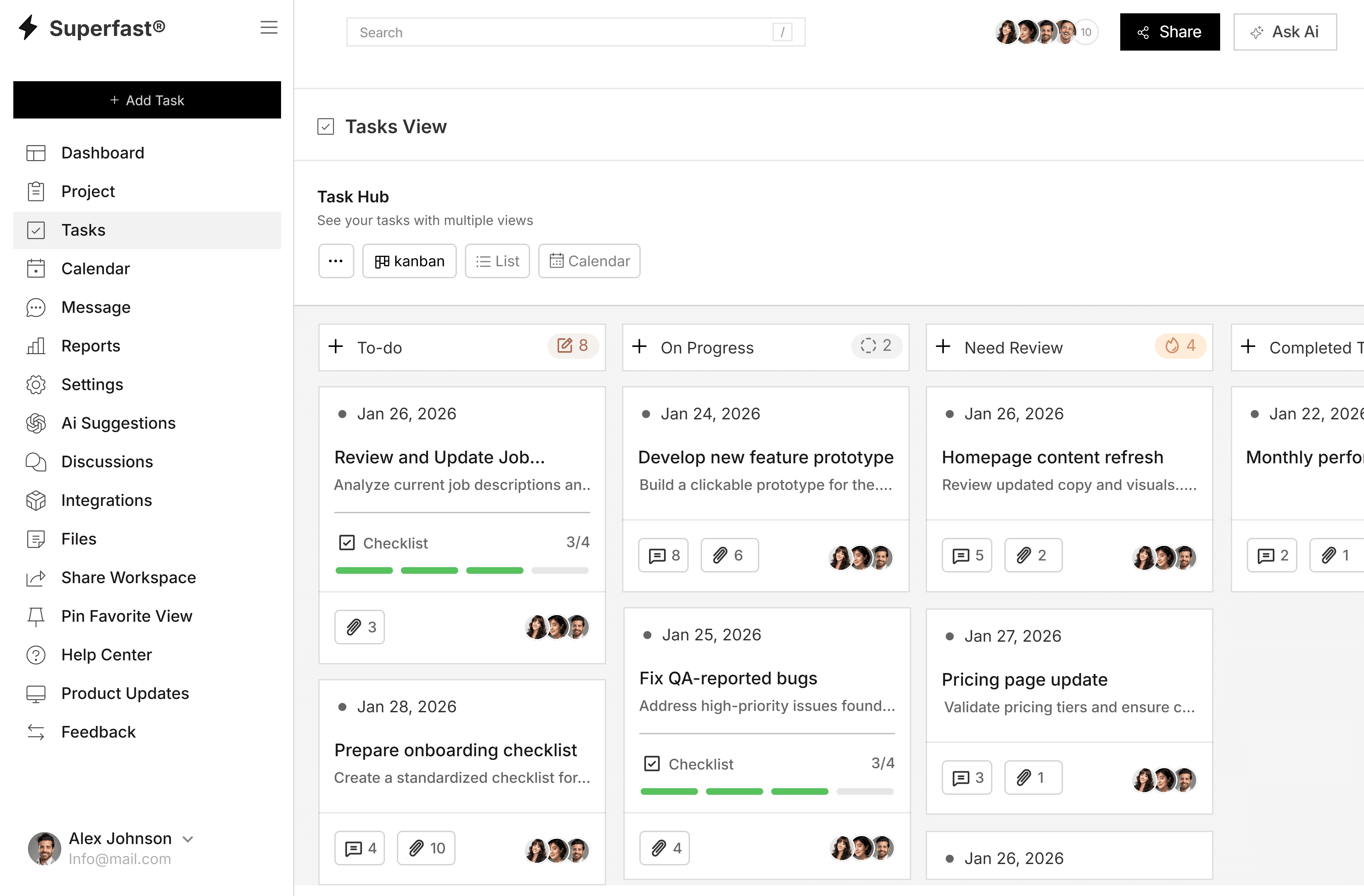
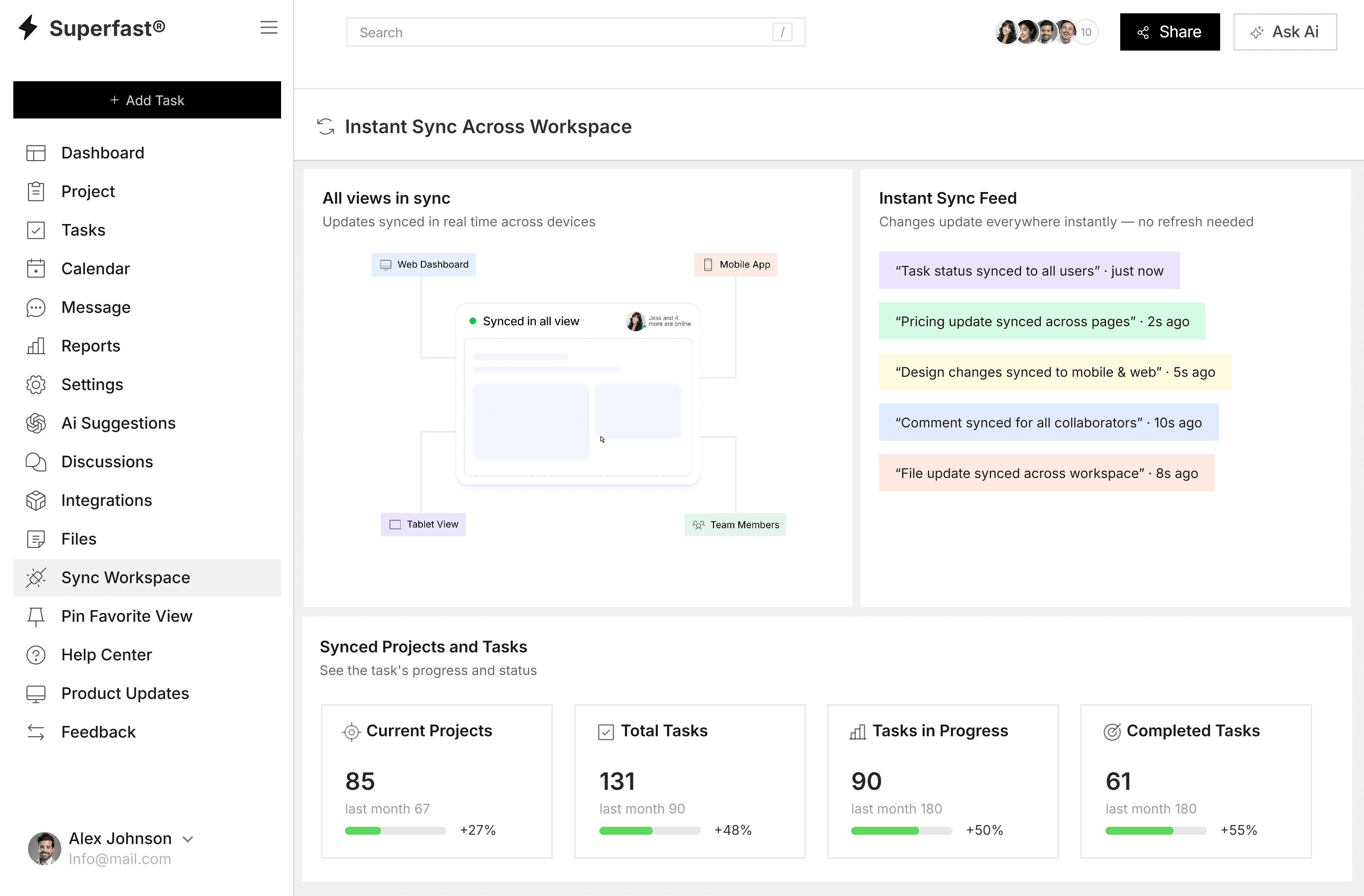
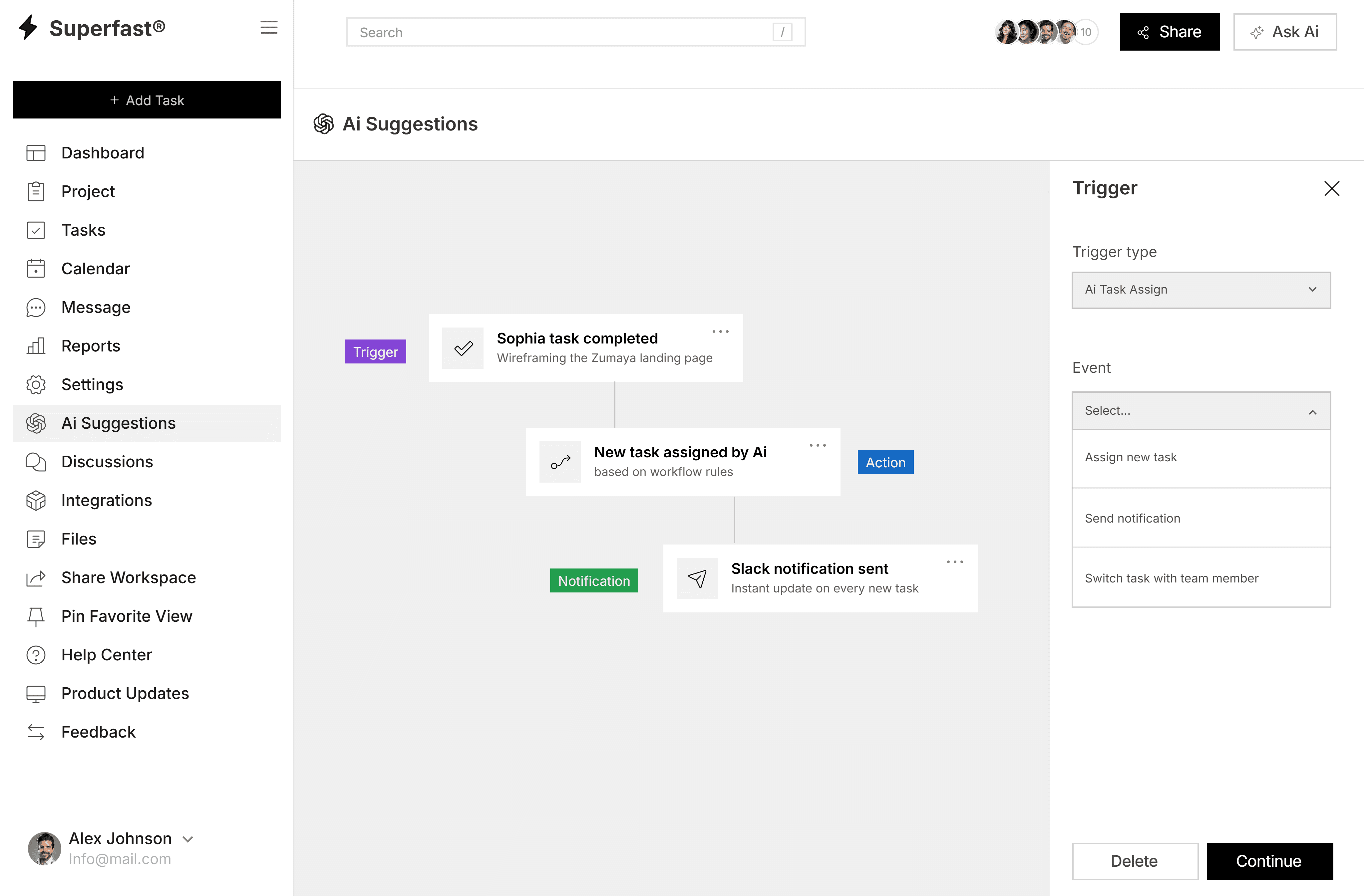
Modern task systems are designed to make ownership explicit and visible. Tasks aren’t just listed — they are clearly assigned, tracked, and updated in real time. This visibility removes guesswork and ensures everyone knows who is responsible for what. When ownership is built into the workflow, teams spend less time chasing updates and more time executing. Accountability becomes part of the system, not something managers need to constantly reinforce.

Let's 2x your team's productivity within a month