Manage well
The Rise of Proactive Productivity Systems
Samantha Collins
From Reactive Work to Anticipation
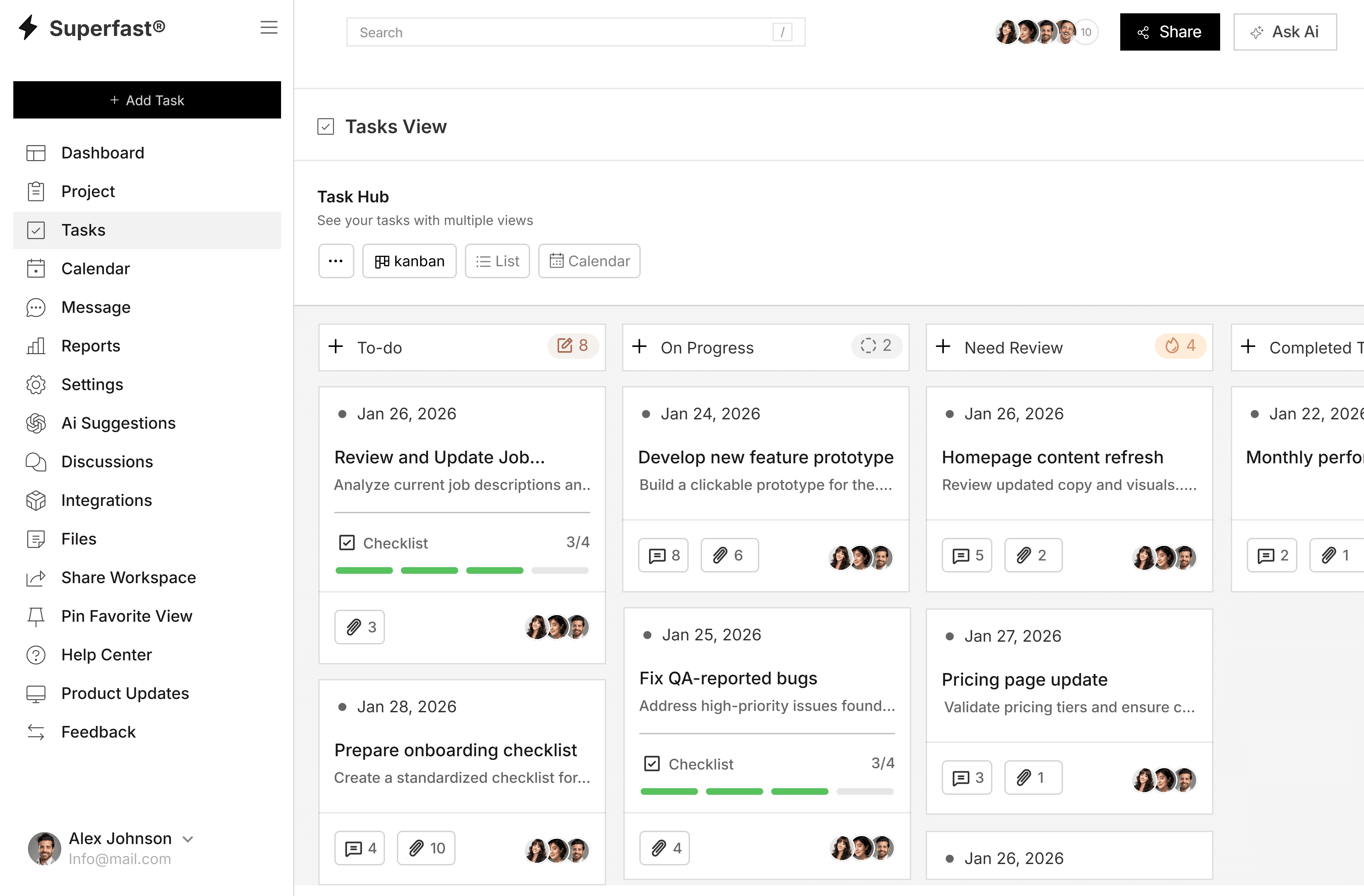
For years, productivity systems have been reactive by nature. They waited for users to check dashboards, open task lists, or ask for updates. Work only moved forward when someone remembered to look, follow up, or intervene. This approach may have worked when projects were simpler, but it breaks down as complexity increases. Modern teams operate in fast-changing environments where waiting for manual input creates delays. Proactive productivity systems shift this model by anticipating needs instead of responding late. They surface information before it becomes urgent and guide attention toward what matters most at the right moment.
Why Reactive Systems No Longer Scale
As teams grow, the cost of reaction increases. Missed updates, late dependencies, and hidden blockers don’t fail loudly — they fail quietly. By the time a problem is noticed, it has already impacted timelines or quality. Reactive systems place too much responsibility on individuals to monitor everything themselves. This creates uneven awareness across teams, where some people are overloaded with information while others remain out of the loop. The result is inefficiency, frustration, and unnecessary firefighting.
How Proactive Systems Change Team Behavior
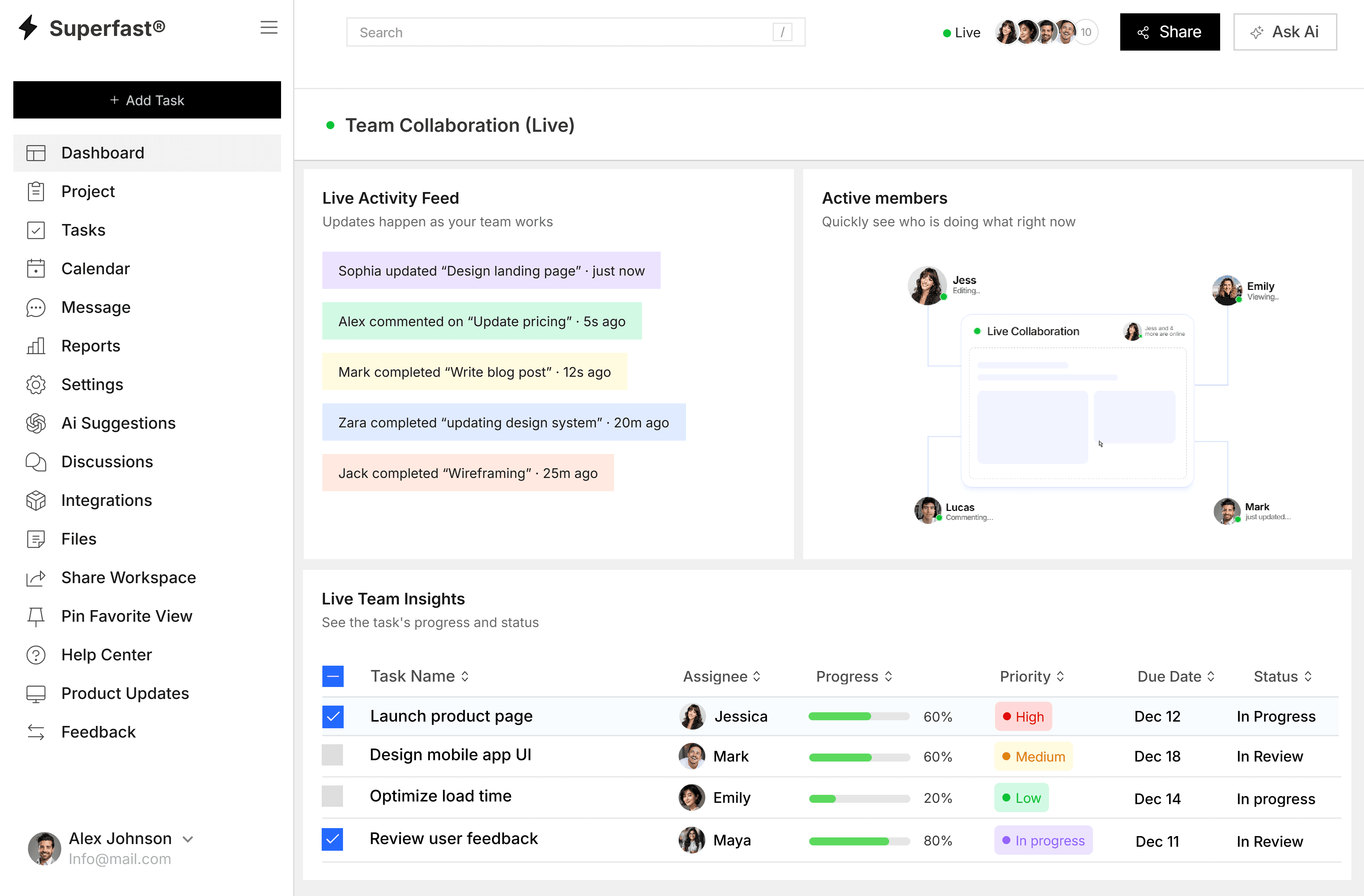
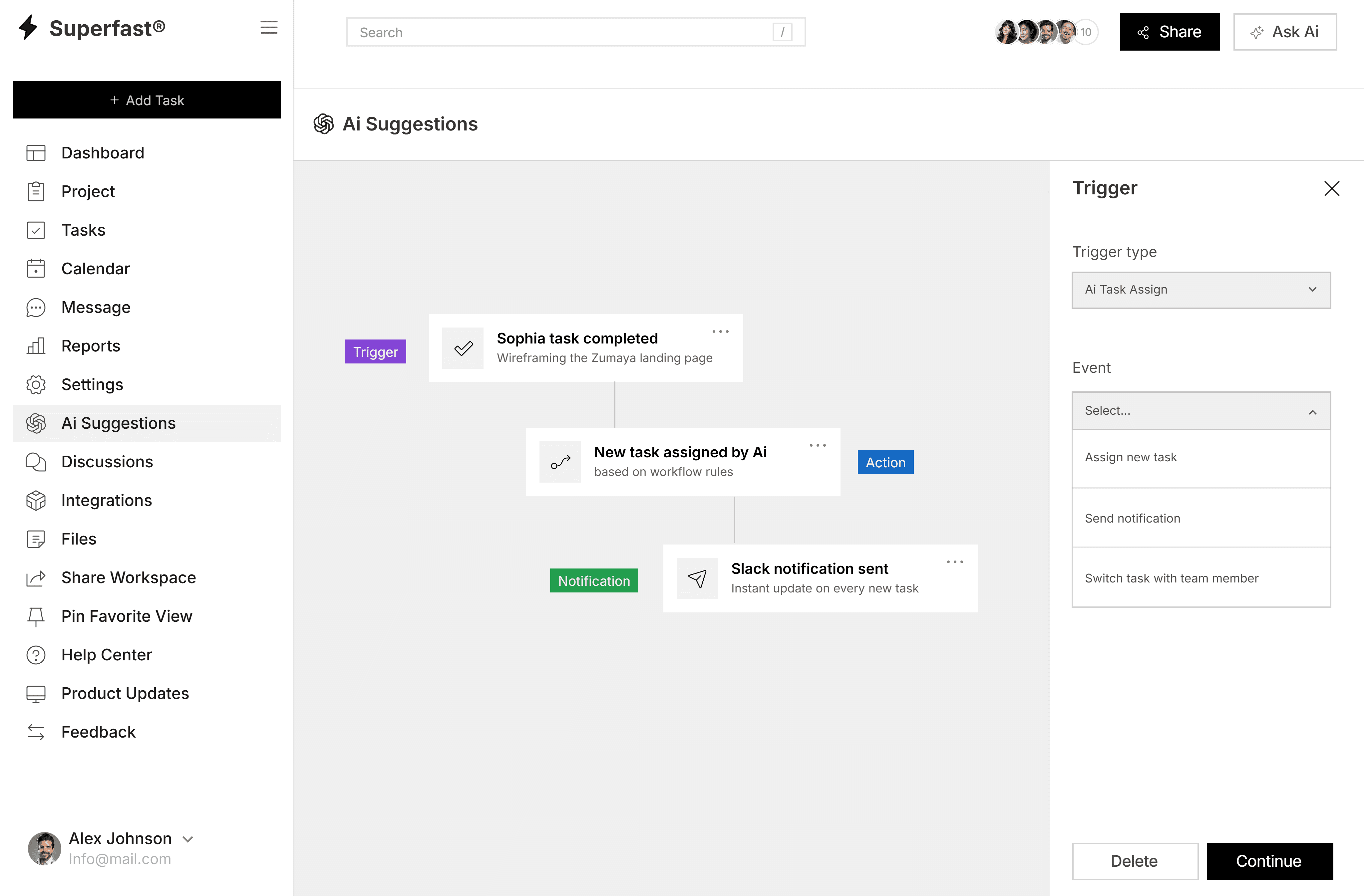
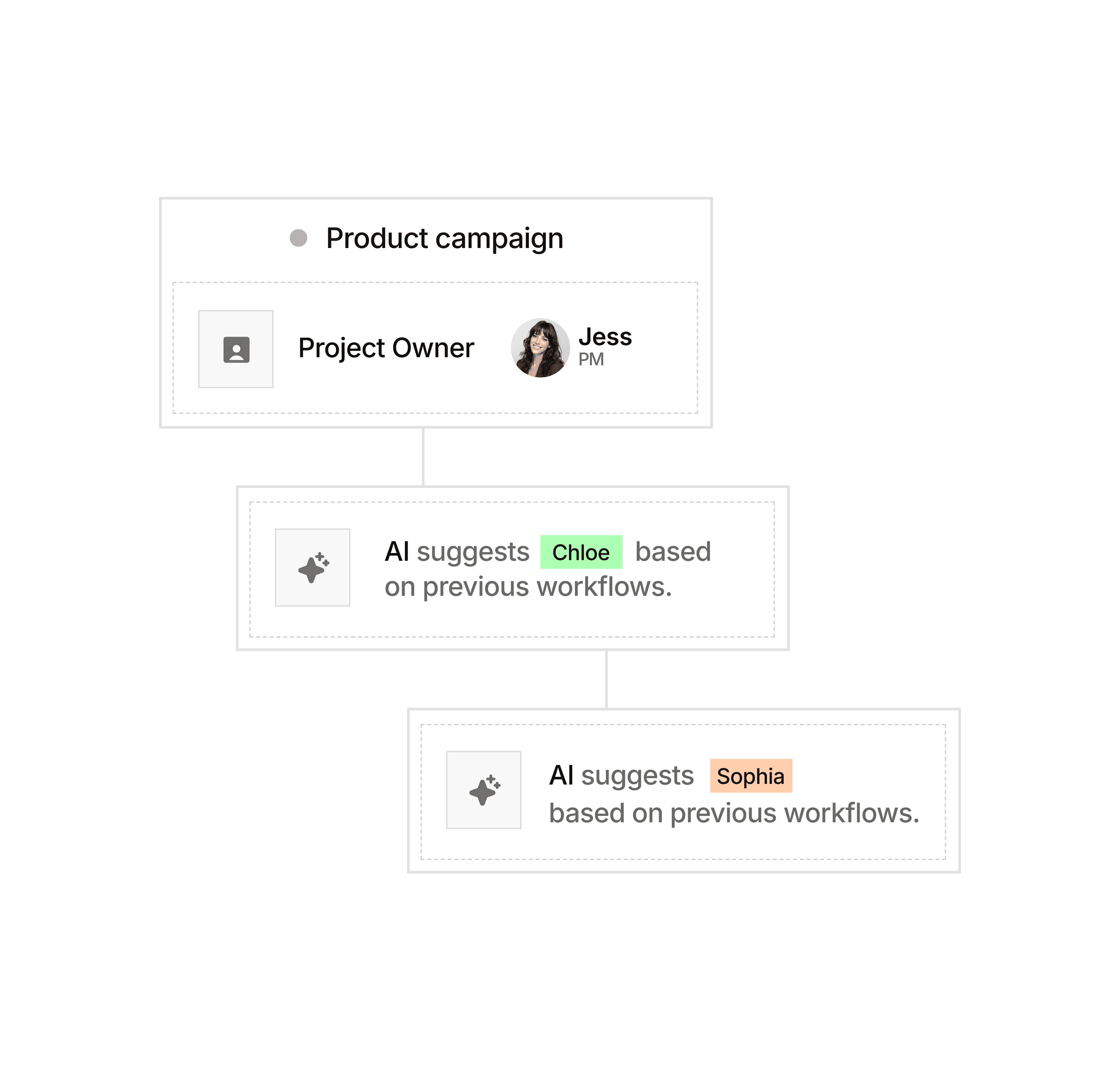
Proactive systems actively monitor changes in deadlines, dependencies, workload, and progress. When something shifts, the system responds immediately — surfacing risks, suggesting adjustments, or notifying the right people automatically. This changes how teams behave. Instead of constantly checking status or chasing updates, they trust the system to bring important information to them. Work becomes calmer and more intentional, with fewer last-minute surprises and rushed decisions.
Intelligence Built Into the Workflow
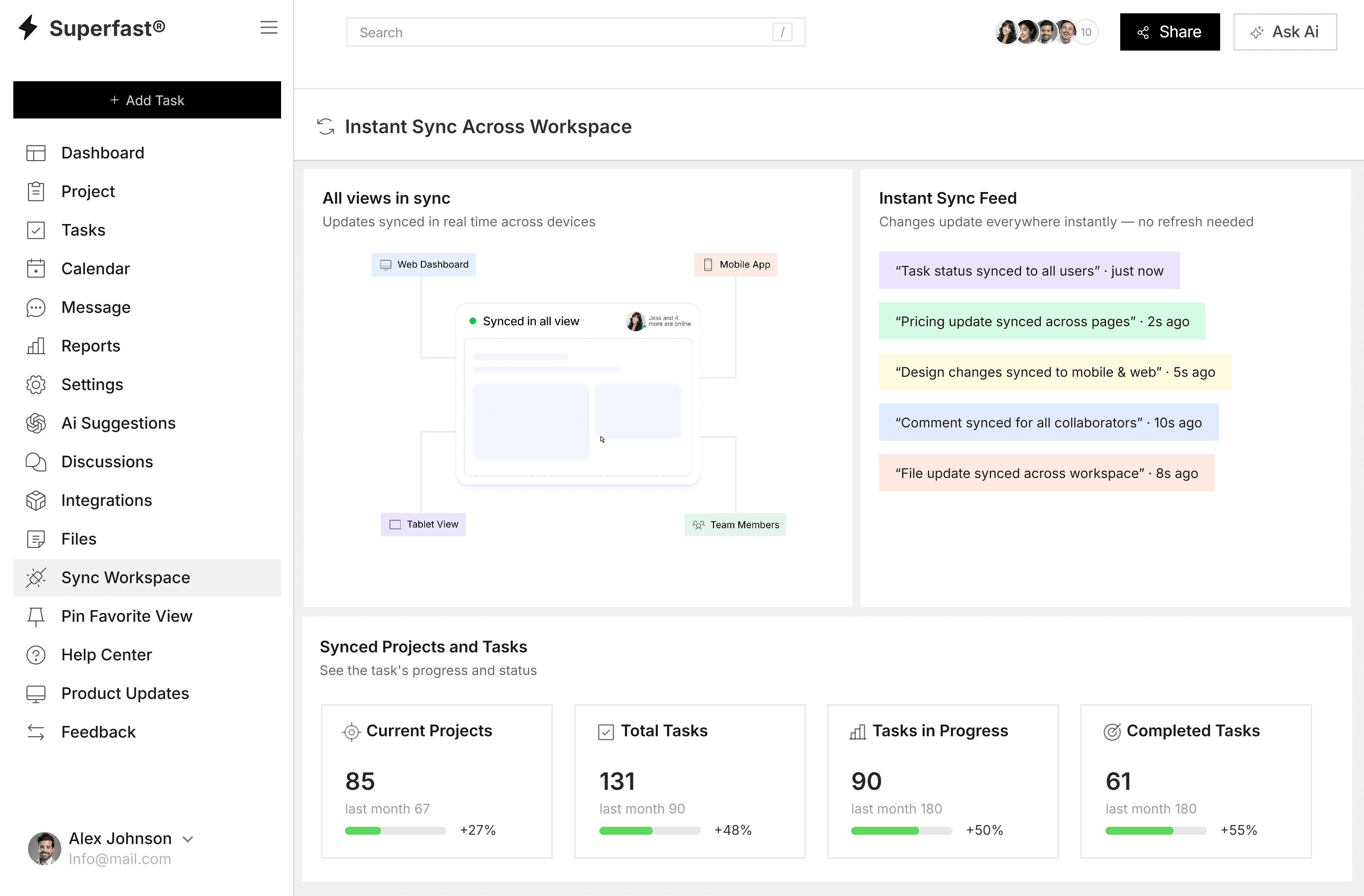
The power of proactive systems comes from embedded intelligence. Tasks aren’t treated as isolated items, but as part of a connected network of goals, timelines, and people. When one element changes, related work adapts automatically. This intelligence helps teams see around corners. They can understand the impact of a delay before it happens and take corrective action early. Planning becomes more resilient because it’s continuously informed by real-time signals.
Proactivity as a New Productivity Standard
Proactive productivity systems set a new baseline for how modern teams operate. They reduce mental load, improve coordination, and help teams stay aligned even as conditions change. In a world where work is constantly evolving, productivity isn’t about reacting faster — it’s about anticipating better. Teams that adopt proactive systems don’t just move quicker; they move smarter and with greater confidence.

Let's 2x your team's productivity within a month