Move Right
Designing Workflows That Adapt When Plans Break
Ethan Reynolds
Why Rigid Workflows Fail in Real Teams
Every team starts with a plan — and almost every plan changes. Deadlines shift, priorities evolve, and new information emerges mid-project. Rigid workflows assume stability, so when change happens, the system breaks. Teams are forced to improvise, leading to confusion, lost momentum, and reactive decision-making.
How Adaptive Workflows Are Built
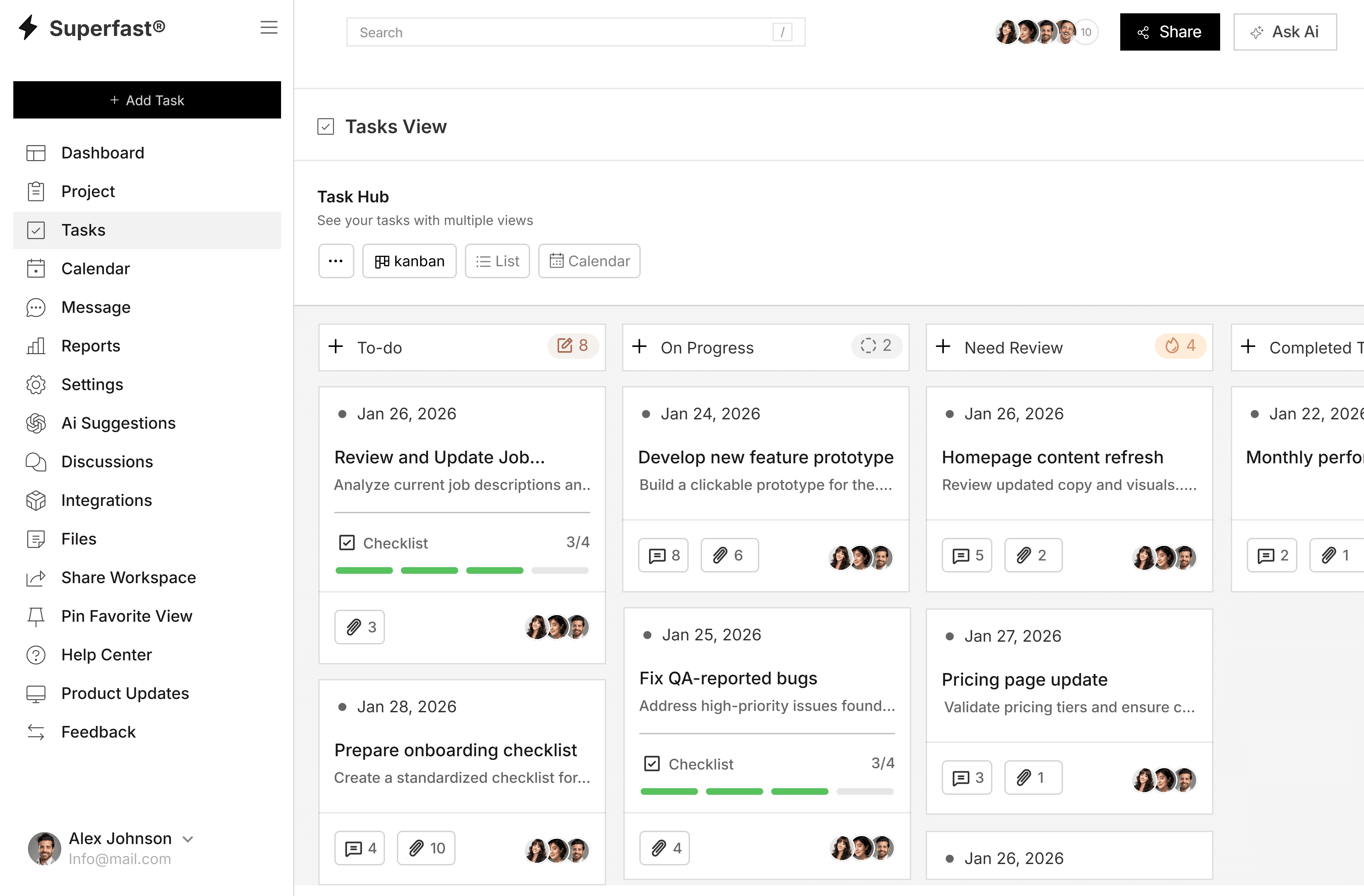
Adaptive workflows are designed with change in mind. Instead of locking teams into fixed sequences, they allow tasks to be reprioritized, reassigned, or rescheduled without rebuilding the entire plan. Flexibility is built into the system, making adjustments feel natural rather than disruptive.
The Role of Context-Aware Task Systems
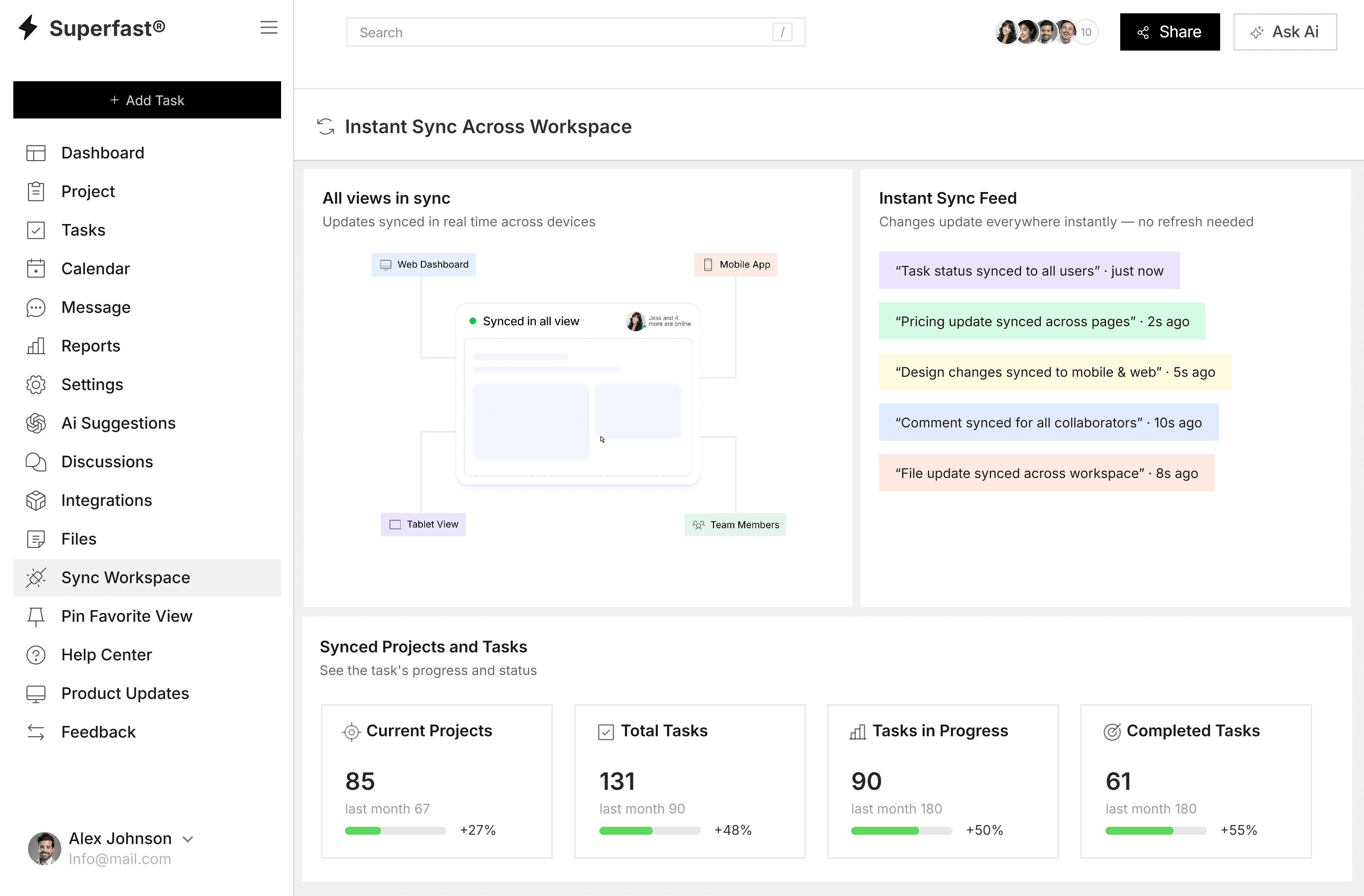
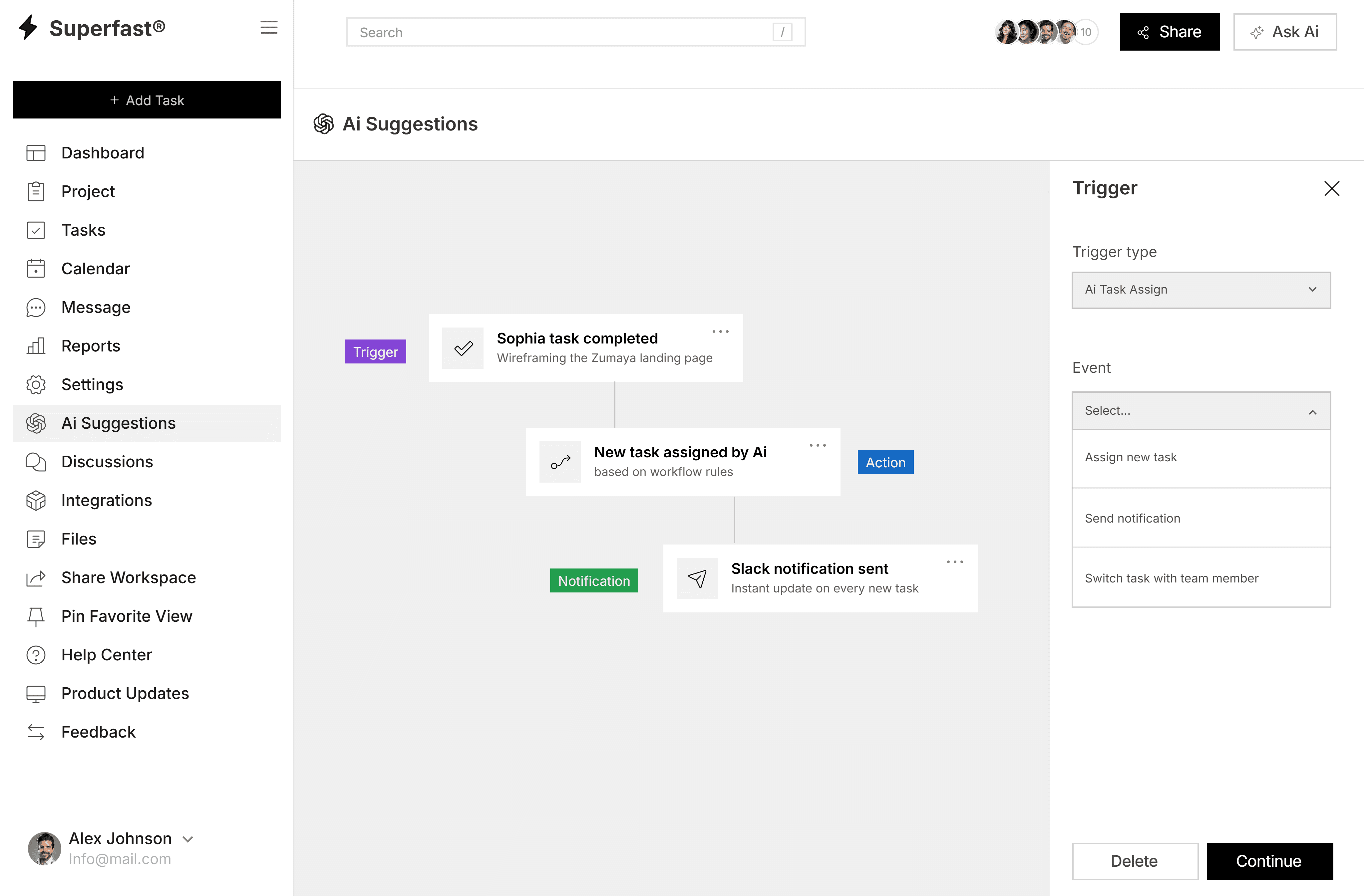
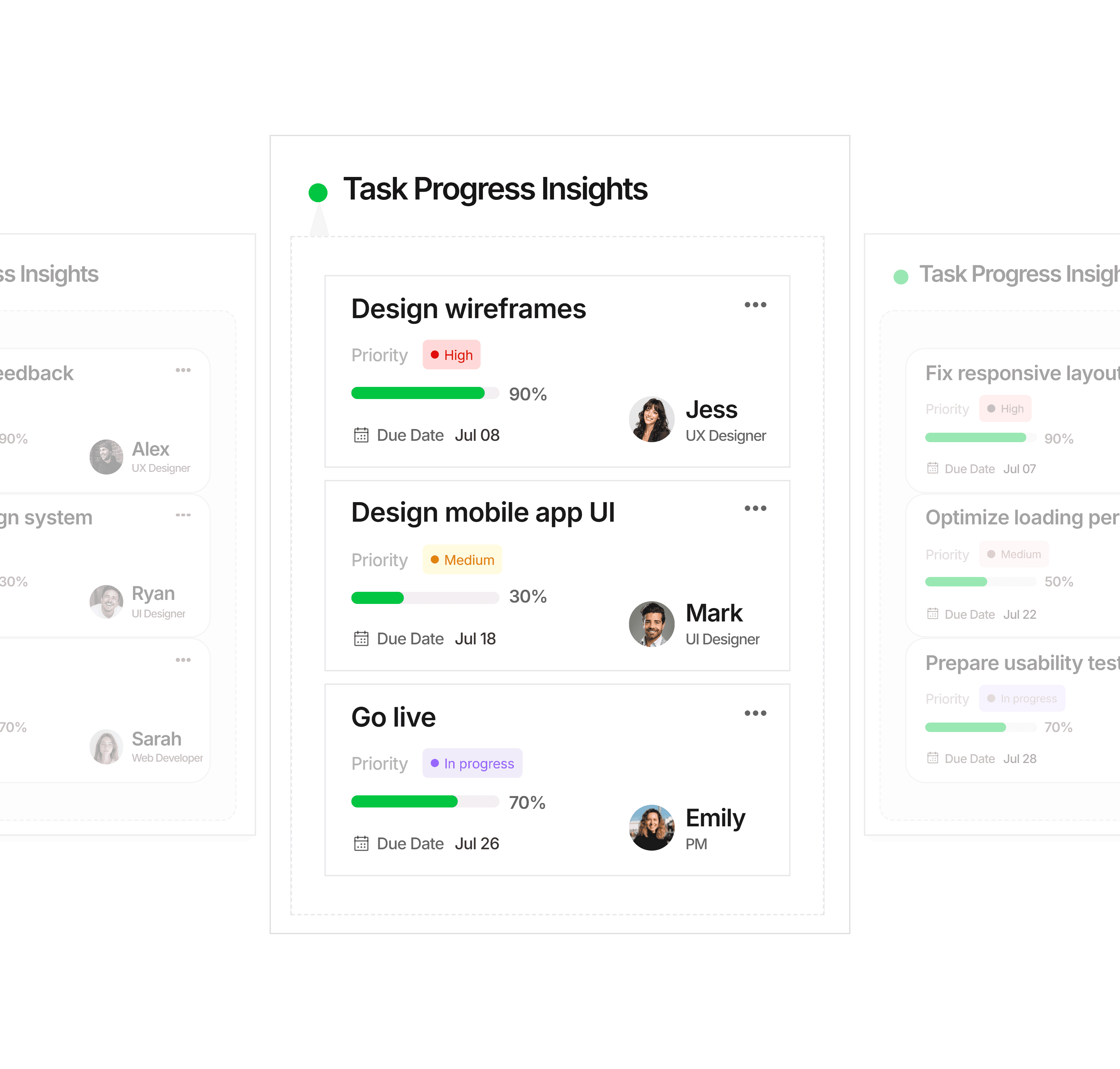
Modern task tools support adaptability by connecting tasks to context — deadlines, dependencies, workload, and broader goals. When one element changes, related work updates automatically. This prevents small disruptions from cascading into major delays and keeps teams aligned as conditions evolve.
Staying Calm and Strategic Under Pressure
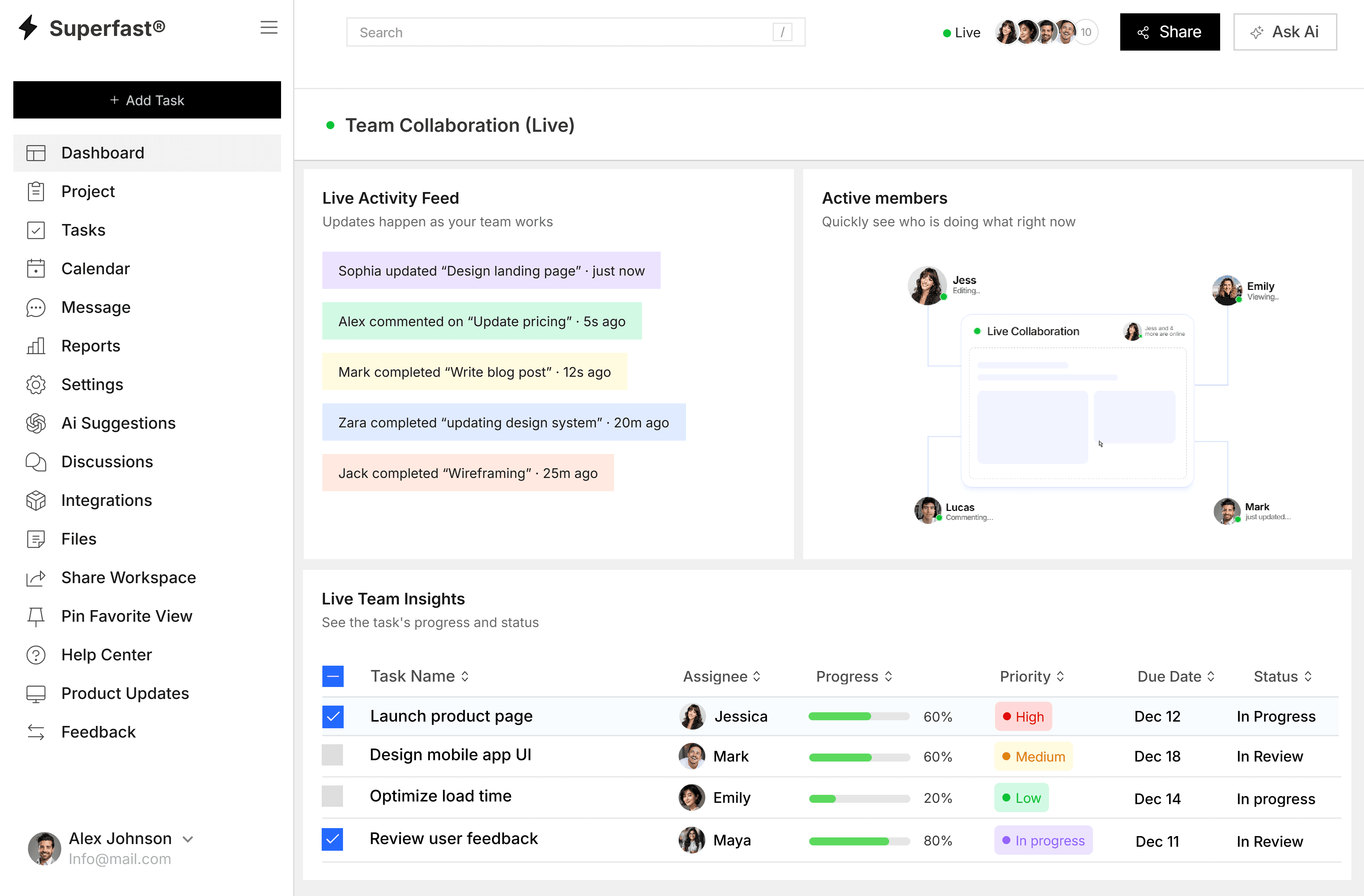
Adaptive workflows improve more than speed — they improve decision-making. Teams can clearly see the impact of changes and respond thoughtfully instead of reacting emotionally. In complex projects, flexibility isn’t a luxury. Teams that embrace adaptable systems recover faster, move with confidence, and stay focused even when plans shift.

Let's 2x your team's productivity within a month